Understanding the Editing Process
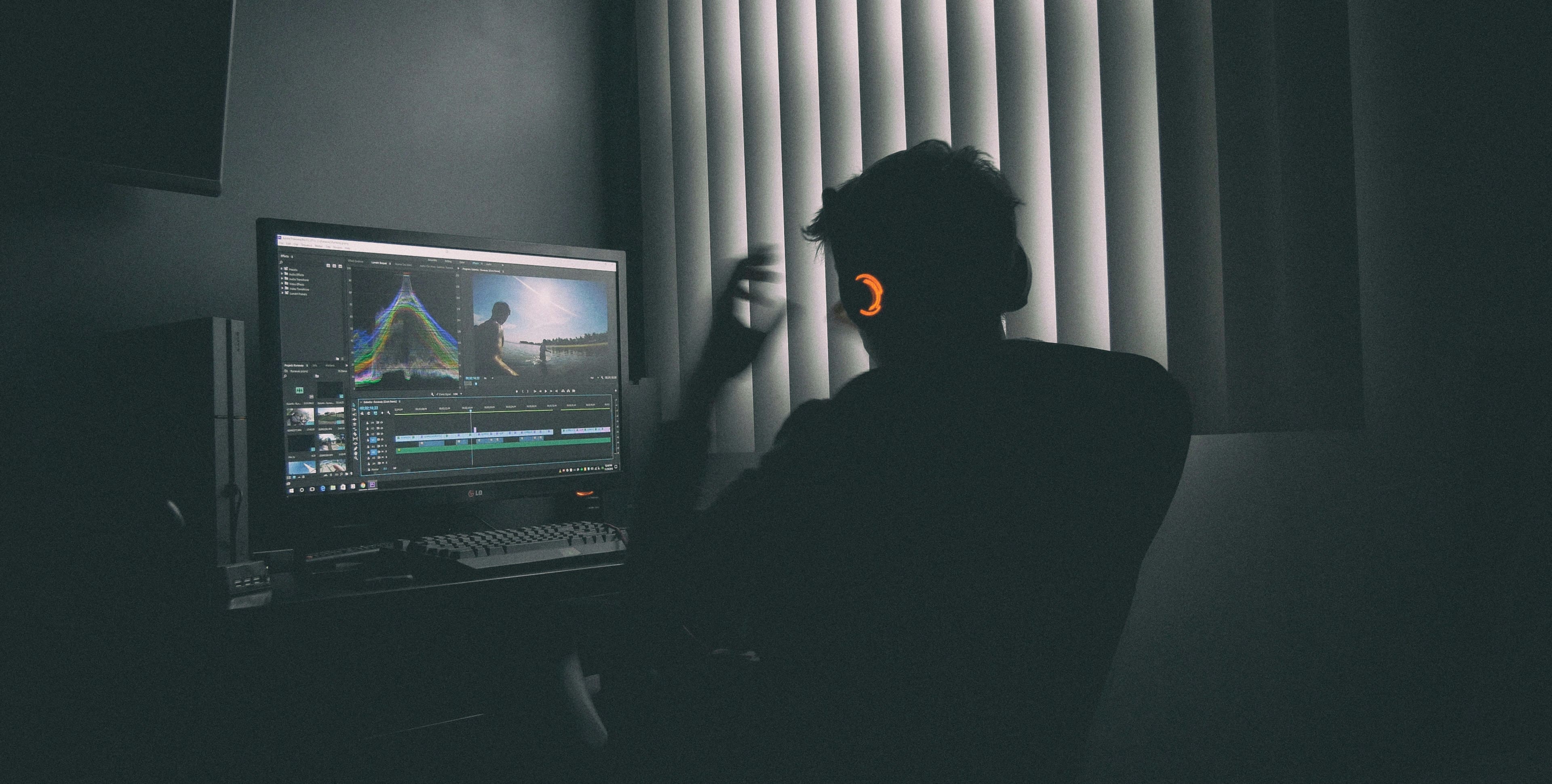
Editing a wedding video involves piecing together footage captured throughout the day into a cohesive and compelling narrative. Here’s a breakdown of the typical editing process:
Importing and Organizing Footage
The editing process begins with importing all the raw footage into editing software. Cinematographers meticulously organize the footage based on chronological order and key events such as the ceremony, speeches, first dance, and reception highlights.
Selecting the Best Shots
Once organized, the editor sifts through the footage to select the best shots that capture the emotions, atmosphere, and key moments of the wedding day. This involves identifying cinematic shots, candid moments, and meaningful interactions between the couple, family, and guests.
Creating a Storyline
Crafting a compelling storyline is essential in wedding video editing. Editors aim to create a narrative arc that unfolds naturally, from the anticipation of getting ready to the emotional vows, joyous celebrations, and heartfelt speeches. The storyline should reflect the personalities of the couple and the unique essence of their wedding day.
Adding Music and Sound Design
Music sets the mood and enhances the emotional impact of the wedding video. Editors carefully select music tracks that complement the tone and atmosphere of each segment, whether it’s a romantic ballad for the ceremony or upbeat tunes for the reception. Sound design also includes balancing audio levels, adding ambient sounds, and ensuring clear dialogue throughout the video.
Applying Color Grading
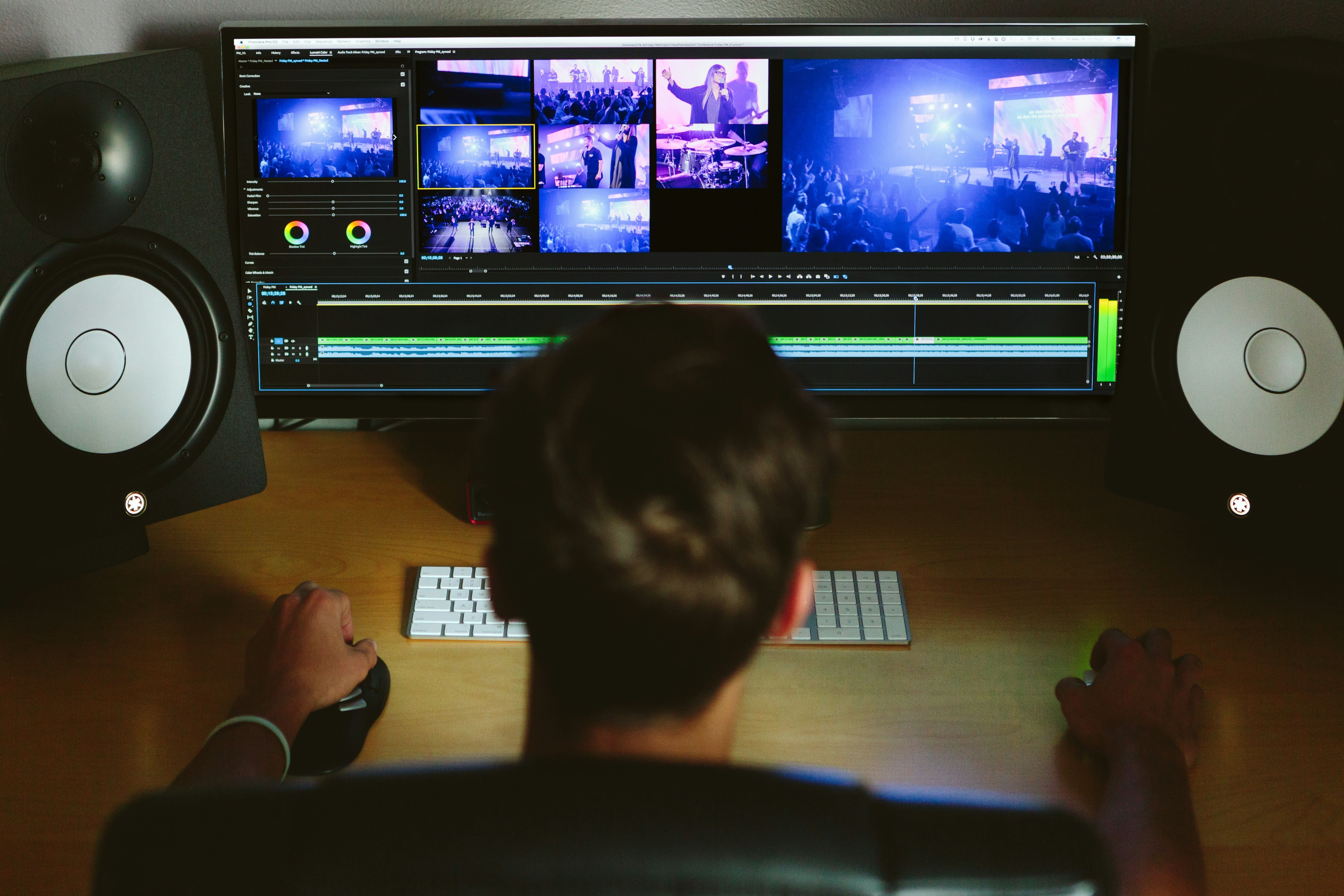
Color grading is a crucial step in enhancing the visual aesthetics of the wedding video. Editors adjust the color tones, contrast, saturation, and exposure of each clip to achieve a cohesive look that matches the desired cinematic style. This process can dramatically enhance the mood and atmosphere captured in the footage.
Incorporating Transitions and Effects
Transitions and effects are used to seamlessly transition between scenes and enhance visual storytelling. Editors may employ techniques such as crossfades, fades to black, slow motion, and overlays to create a polished and cinematic feel. These elements help maintain the flow of the narrative and engage viewers throughout the video.
Tools and Software for Editing
Professional wedding video editors use advanced editing software to achieve high-quality results:
- Adobe Premiere Pro: Widely used for its robust editing capabilities, timeline-based workflow, and integration with other Adobe Creative Suite applications.
- Final Cut Pro: Popular among Mac users for its intuitive interface, powerful editing tools, and real-time editing capabilities.
- DaVinci Resolve: Known for its industry-leading color grading tools, Fusion for visual effects, and collaborative workflow options.
Collaborating with Clients
Throughout the editing process, editors collaborate closely with the couple to ensure the final video meets their expectations and reflects their vision:
- Feedback and Revisions: Editors provide draft versions of the wedding video for feedback, allowing couples to request adjustments to pacing, music selection, and specific moments they want emphasized.
- Personalization: Personal touches such as incorporating personal messages, special effects, or personalized intros can further enhance the video’s emotional impact and uniqueness.
Conclusion
Editing is a labor of love that transforms raw footage into a timeless keepsake of your wedding day. Through meticulous attention to detail, creative storytelling, and technical expertise, wedding video editors bring together moments of love, joy, and celebration into a cinematic masterpiece that you’ll cherish forever. Trust in their skill and dedication, and you’ll have a wedding video that not only captures memories but also evokes the emotions and magic of your special day every time you watch it.